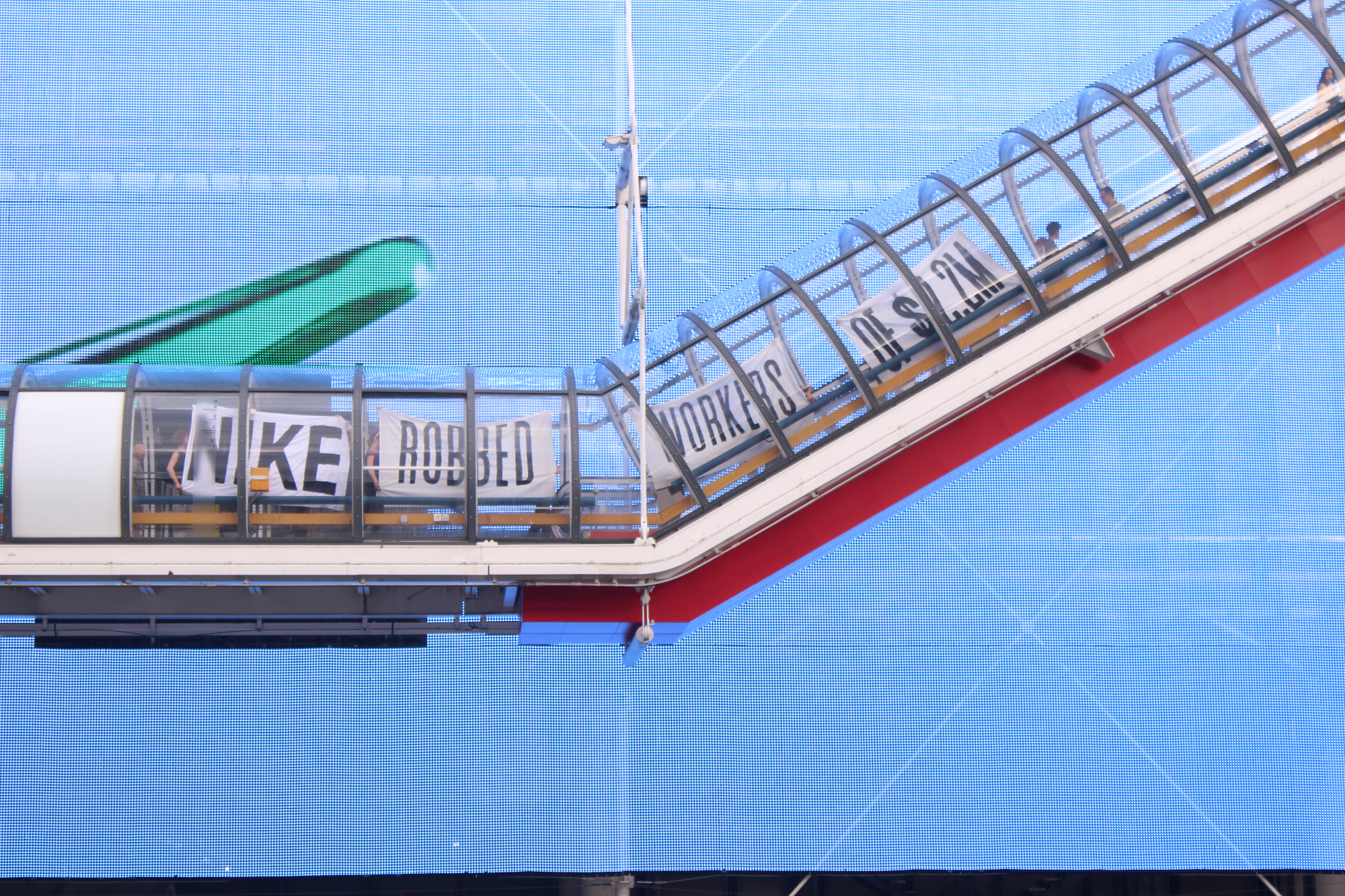
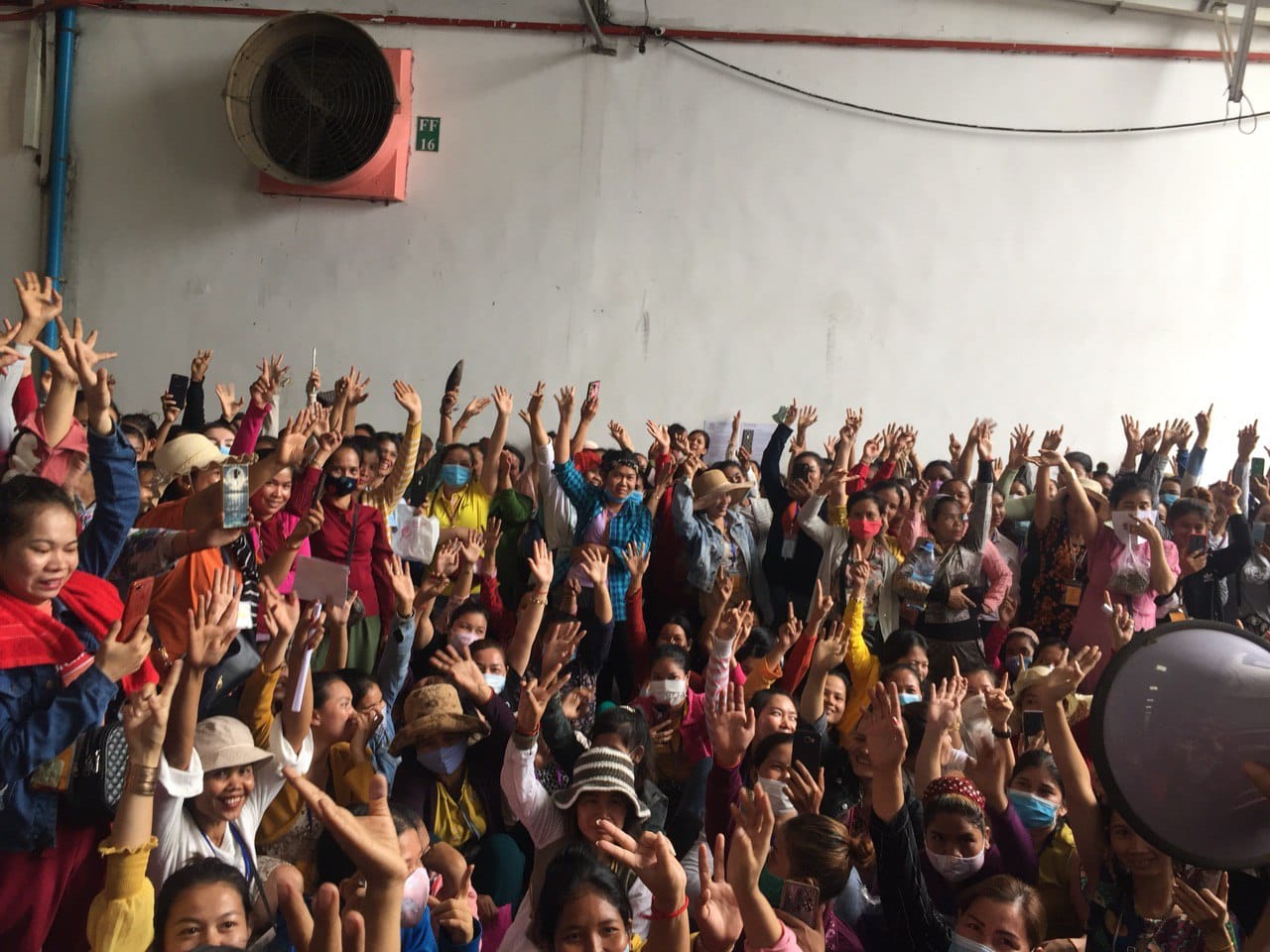
During the pandemic, workers at two factories in Cambodia and Thailand, who made clothes for Nike, were deprived of their legally owed wages and termination pay.
The workers in Thailand were pushed by factory management to sign a form stating that they wanted to take voluntary unpaid leave. Those who resisted were met with retaliation.
The workers in Cambodia were denied their termination pay when their factory suddenly closed without notice, resulting in the loss of all their jobs.
It took Nike five years to finally admit that the workers in the Thai factory were wronged and compensate them. The brand still refuses to take responsibility for the Cambodian workers.
Nike profits from its image as a company committed to women’s empowerment but leaves women and migrant workers out in the cold.
Sign the petition to demand that Nike pays its workers
TO: Nike
Pay former employees at Violet Apparel their lost wages and severance
What happened at Violet Apparel Factory (Cambodia)?
When the Violet Apparel factory in Cambodia, owned by the wealthy Ramatex group, suddenly closed in July 2020, all its workers lost their jobs.
In response, the workers demanded their legally owed compensation, including unpaid wages and bonuses. Nike is Ramatex's main buyer, and the Violet workers were making its products. The brand has the responsibility to ensure the workers are paid.
The union is demanding $1.4-1. million (exchange rates fluctuate) in unpaid compensation and damages as workers are entitled to under Cambodian law.Nike has thus far failed to take responsibility.
What happened at Hong Seng Knitting (Thailand)?
Workers at the Hong Seng Knitting garment factory in Thailand who sew university logo apparel for Nike have been subjected to abuse, wage theft and retaliation by factory management from May - October 2020. A investigation from the Worker Rights Consortium uncovers an illegal wage theft scheme that deprived workers of nearly $600,000 in legally mandated wages, or more than 15 days’ wages, per worker.
The factory wanted to avoid paying their workers' legal right to income security during periods of low production. Under Thai law, workers have a right to a reduced wage if a factory temporarily suspends work. Factory management, however, compelled workers to sign a form falsely stating that they wanted to take voluntary, unpaid leave. Workers who resisted signing, were met with threats of dismissal, retaliation, intimidation or even reporting to the police. The Thai government ruled that the forms do not constitute a lawful basis to deny workers their wages even though Nike hides behind claims that the process was “consensual and voluntary”.
Five years after the workers were subjected to this treatment, Nike finally agreed to restitute workers' leave days and compensate workers who were subjected to retaliation, although they did not receive any interest. Kyaw San Oo, a worker who was reported to the police and felt compelled to free the country, was first offered an insultingly low sum, which was eventually increased to $42,000. Read more about this victory.
This content is provided by a third-party service. To view it, please allow cookies for thirdparty in your privacy settings.