Wronged migrant worker at Nike supplier factory finally compensated
At last, after nearly five years of campaigning and advocacy, the migrant worker targeted by a major Nike supplier with false criminal charges for leading opposition to its abusive labour practices has finally received just compensation. This victory over the supplier, Hong Seng Knitting, which coerced 3,300 employees into giving up legally mandated wages, and over Nike, which denied for years that the violations had occurred, affirms that corporations are accountable for the abuses in their supply chains. This outcome is a testament to the power of collective pressure, from the mass mobilization of students across US campuses and from unions and activist groups around the world, and to the perseverance of the workers of Hong Seng Knitting.
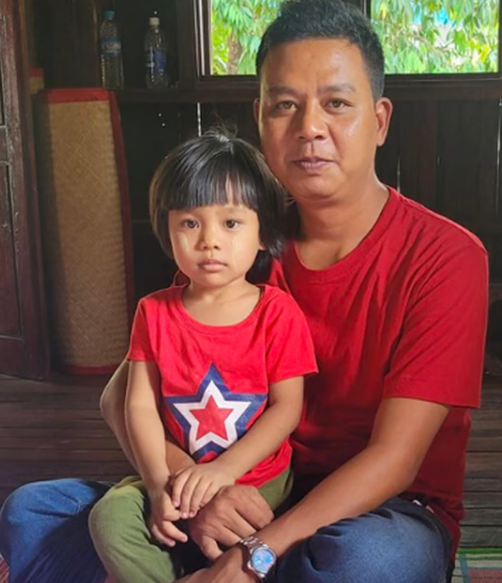
In April 2020, amid the shutdowns stemming from the COVID-19 pandemic, 3,300 workers at the Hong Seng Knitting factory in Thailand were deceived and coerced into signing away their legally-owed wages. When one worker, Kyaw San Oo, rallied workers to resist, the factory retaliated with its criminal complaint against him. Since he and his wife, who also worked at the factory, were vulnerable as migrant workers to unjust arrest and indefinite imprisonment, they were forced to flee the country with their infant child. Hong Seng Knitting then posted the criminal complaint on the factory’s Facebook page and threatened that any other worker who spoke out against its theft of workers’ wages would be prosecuted.
An investigation by the Worker Rights Consortium (WRC) revealed this coercion, intimidation, and abuse. Yet instead of ensuring that impacted workers were provided remedy, Nike commissioned a series of investigations by corporate-funded organizations that stalled the resolution of the case. In particular, the Fair Labor Association (FLA) intervened to investigate the case in the supply chain of one of its founding members. The findings of the FLA’s investigation (detailed in a report by Partners for Dignity and Rights) were widely rejected by the labour movement, including student activists. The report aimed to justify the criminal charges against Kyaw San Oo for posting on social media and concluded, absurdly, that the Hong Seng workers gave up their wages voluntarily, even as it noted the ongoing intimidation present in the workplace. Both Clean Clothes Campaign and Partners for Dignity and Rights have previously criticized the FLA and its multi-stakeholder structure for concealing the FLA’s complicity with companies’ abuses.
Under sustained global pressure, Nike ultimately changed course. While workers were not made fully whole as they received their leave hours back but not full wages with interest, pressure did cause Nike to recognize that the FLA’s recommendations were too low and paid workers nearly double what the FLA recommended, a figure closer to the original number calculated by the WRC. Kyaw San Oo and his wife were also awarded $42,000 in recognition of the harms they suffered - 23 times the paltry amount recommended by the FLA. This increase makes his compensation one of the largest amounts ever paid to a worker leader who was a victim of retaliation during a labour rights fight in the global apparel and textile industry. While there can be no real value set to the harms of having to flee in a global pandemic back to one's war-torn country of origin, this payment raises the stakes for brands that would disregard migrant workers’ human rights and the right to organize in their supply chains.
Internal pressure within the FLA for their defense of Hong Seng’s conduct gave the final push to this resolution. A union board member of the Fair Labor Association (FLA)’s refusal to accept that organization’s defense of the criminal charges against him was pivotal in forcing Nike and Hong Seng to significantly increase the compensation to the leader, Kyaw San Oo. Nazma Akter of the Sommilito Garment Sramik Federation trade union in Bangladesh resigned her seat on the FLA’s board of directors after months of protest within the organization, in response to the FLA’s flawed report on the case and its failure to ensure workers received full remedy. Akter’s principled stand was crucial to securing justice for Kyaw San Oo. Despite this, the FLA appears to continue to stand behind its flawed investigation, and even in its announcement of the payment to Kyaw San Oo, the FLA appears more concerned about defending its reputation than the harms done to workers.
After years of campaigning by students across U.S. university campuses, led by Students for International Labor Solidarity; advocacy by unions and NGOs around the world such as the Clean Clothes Campaign and Partners for Dignity and Rights; and Nazma Akter’s stand within the Fair Labor Association, justice has finally been achieved. In addition to the compensation for Kyaw San Oo, every worker at Hong Seng Knitting whose wages were stolen has now received significant compensation.
While Nike has taken important steps in this case in Thailand, workers in neighbouring Cambodia who were also cheated out of their rightful payments when their factory suddenly closed in 2020 still remain without justice - or even recognition by Nike that the brand is responsible for these workers’ fate. Nevertheless, Nike remains publicly listed as an FLA-accredited company. International campaigning by labour rights activists, side-by-side with the workers of the Violet Apparel factory will continue as part of the Pay Your Workers coalition, which advocates for brands to set up a fund to make sure workers receive the payments they are owed in case of factory closure.
In this time of rising corporate impunity, we celebrate the fact that when workers and their allies unite across borders, we can overcome even the most entrenched resistance from global brands and suppliers, and we will keep fighting to hold brands accountable.