Amplifying worker voices in the garment and sportswear industry
Support our work Donate
Listen to workers, union leaders and campaigners talk about fashions urgent issues.
Listen to our podcast
Read the latest reports, position papers and research from our network.
Check out our resources
Subscribe to our newsletter "Threads" to stay updated on calls to action.
Sign up for Threads
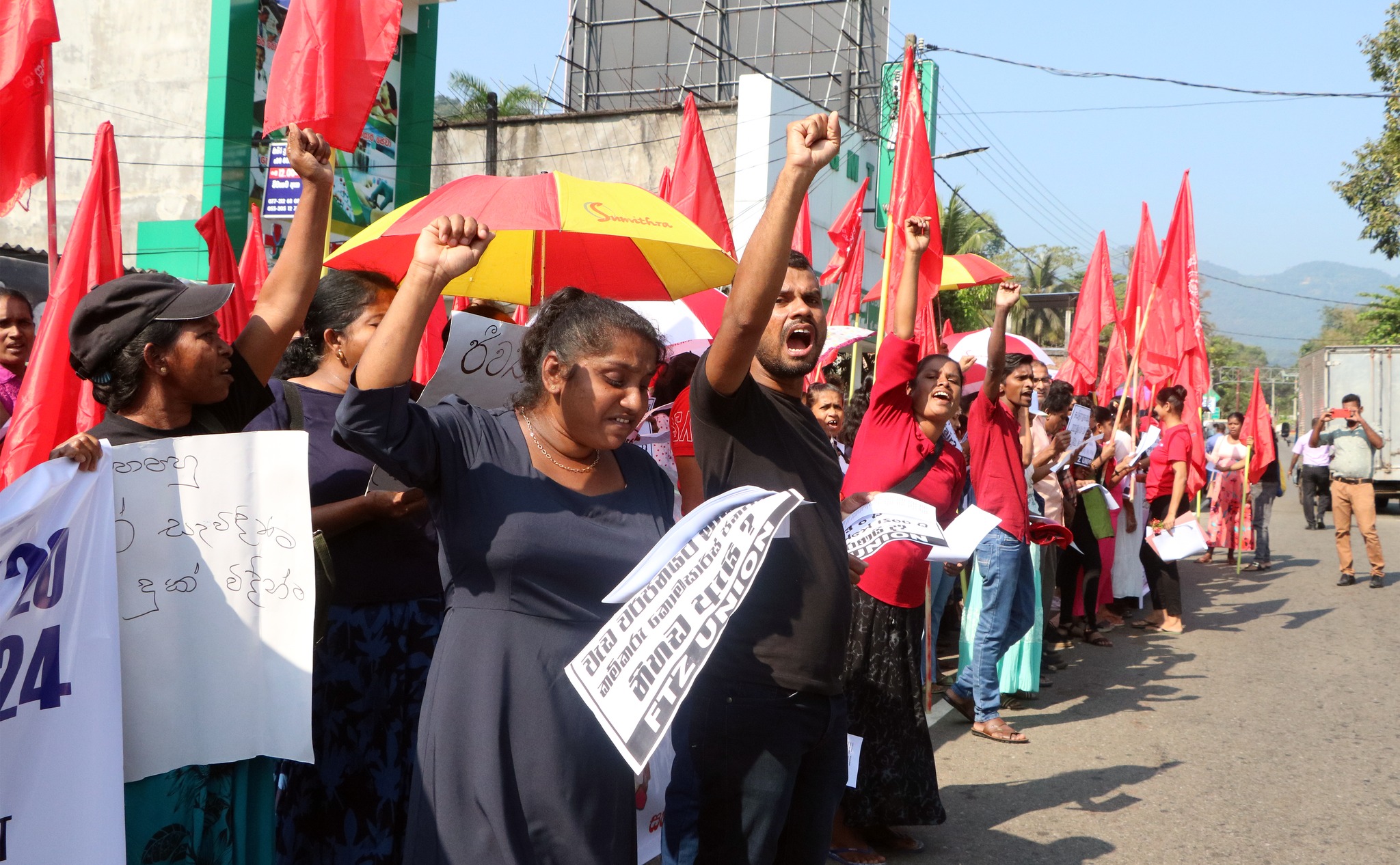
Sri Lanka’s garment workers have been bearing the brunt of the financial and political crisis that has haunted the country for over 1.5 years, with high inflation and currency devaluation pushing workers into poverty while the government and employers repress their right to organise. With the government now rushing through procedurally unsound changes to labour laws, and domestic debt restructuring measures targeting workers’ social security funds, garment workers in Sri Lanka will be deprived of even more basic rights and protections against precarity.
→
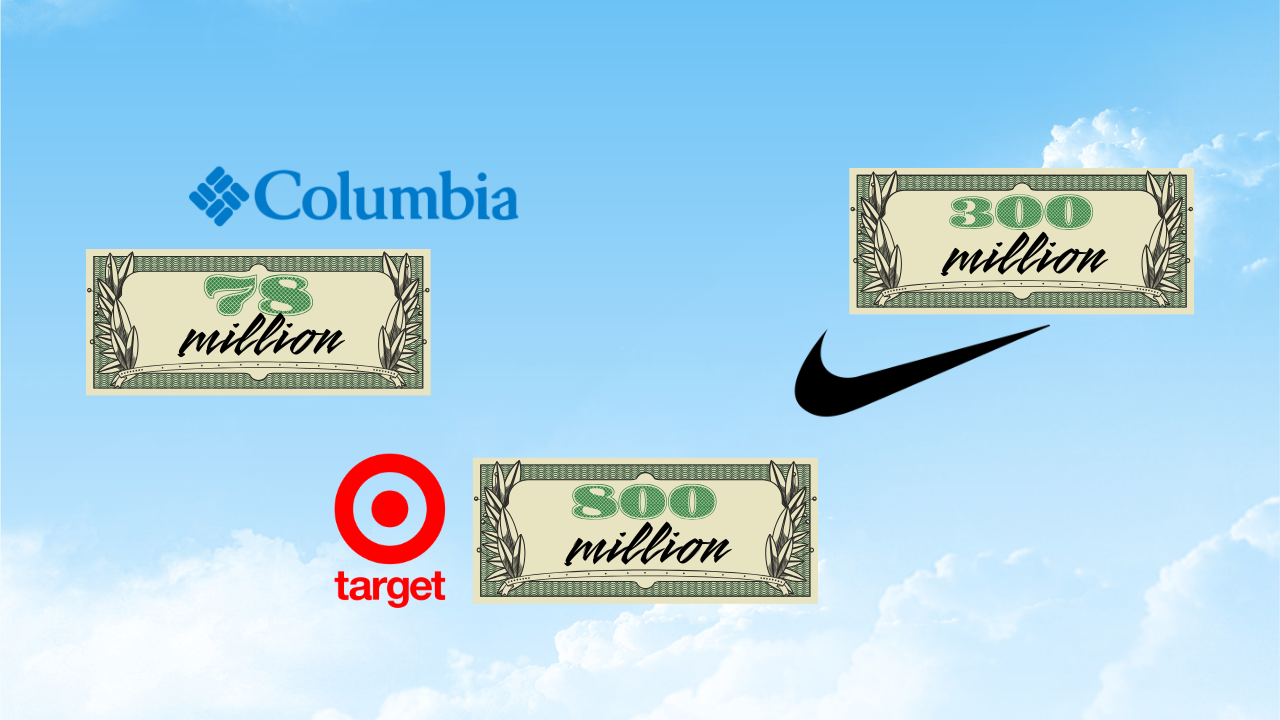
58 leading labour and human rights groups are demanding sportswear giant Nike end its standoff with Thai and Cambodian garment workers to finally fulfill its human rights commitments and pay its supply chain workers the $2.2 million in unpaid wages and benefits they have been waiting for since 2020. The workers of the Violet Apparel factory, owned by Nike’s primary manufacturing partner, the multi-million dollar conglomerate Ramatex Group, were denied $1.4 million in legal benefits since the Violet Apparel factory closed in 2020.
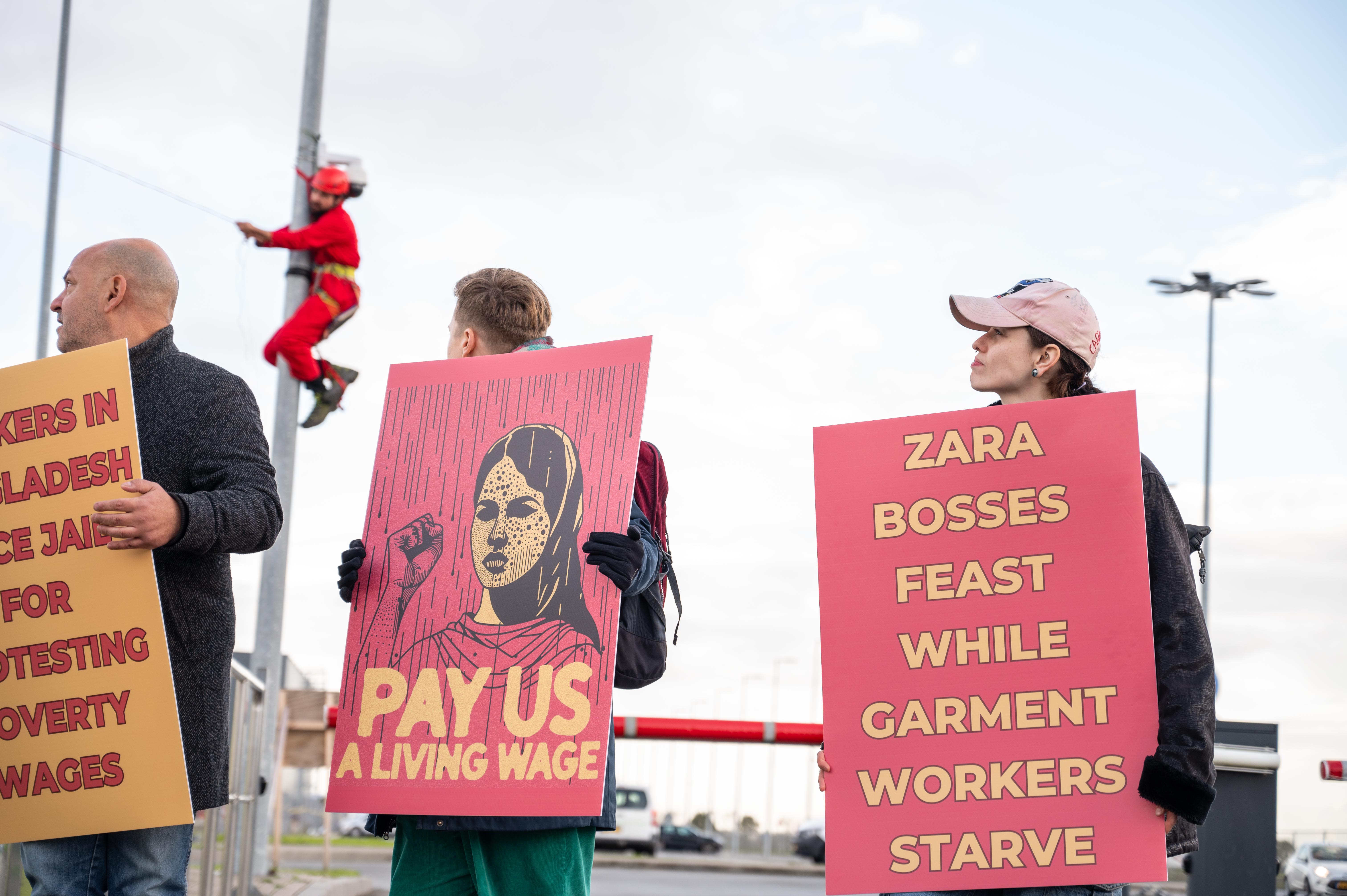
For the first time in five years, the Bangladeshi government has formed a Wage Board to revise the minimum wage for the country’s RMG sector which employs roughly 4 million workers. The current minimum wage of 8,000 taka (roughly 74 USD) was already insufficient for a decent living when it came into force in 2019. Since then, workers had to endure the additional pressure of the Covid-19 pandemic and the subsequent high inflation without seeing their wages increase at all.
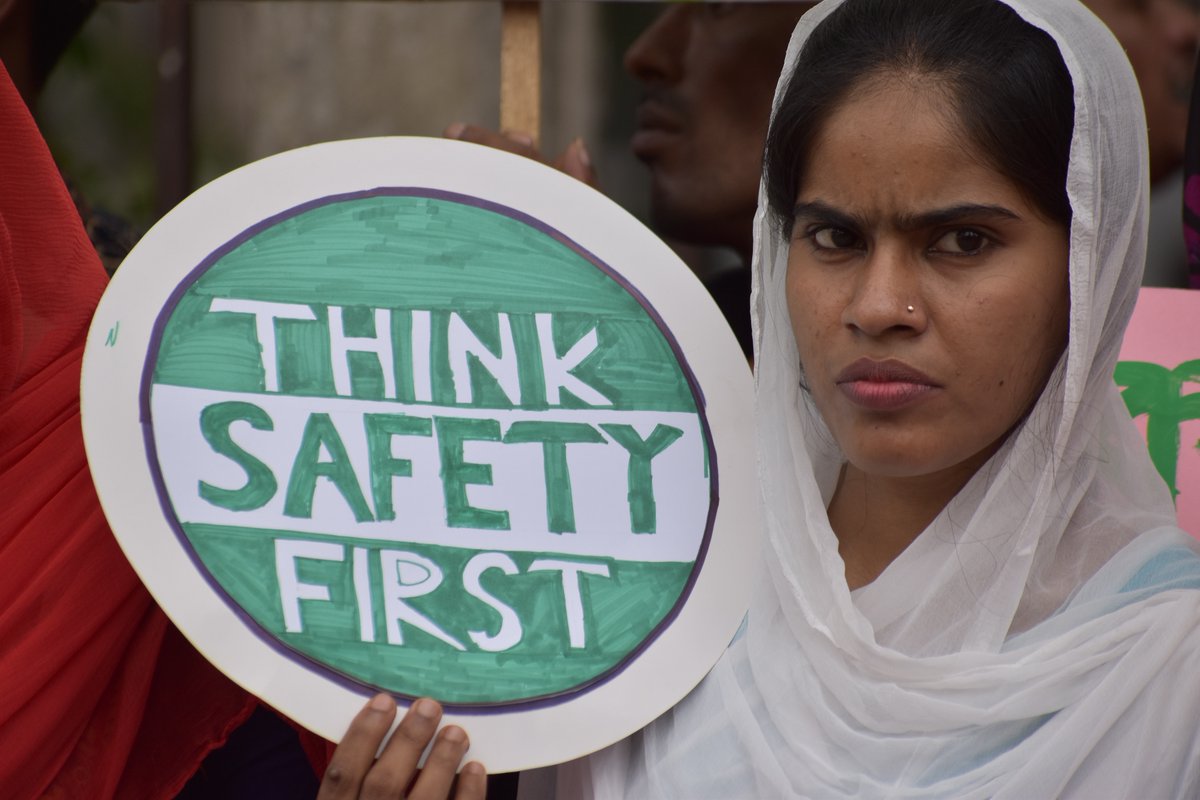
Workers in Pakistan are made to wait for significant safety improvements. Sunday, July 16th marks six months since the launch of the Pakistan Safety Accord sign-on process, yet, while many competitors joined already, major apparel and textile brands and retailers sourcing from Pakistan are slow to commit to this life-saving agreement.