CCC supports Cambodian trade unions' minimum wage demand for US$250.66 per month
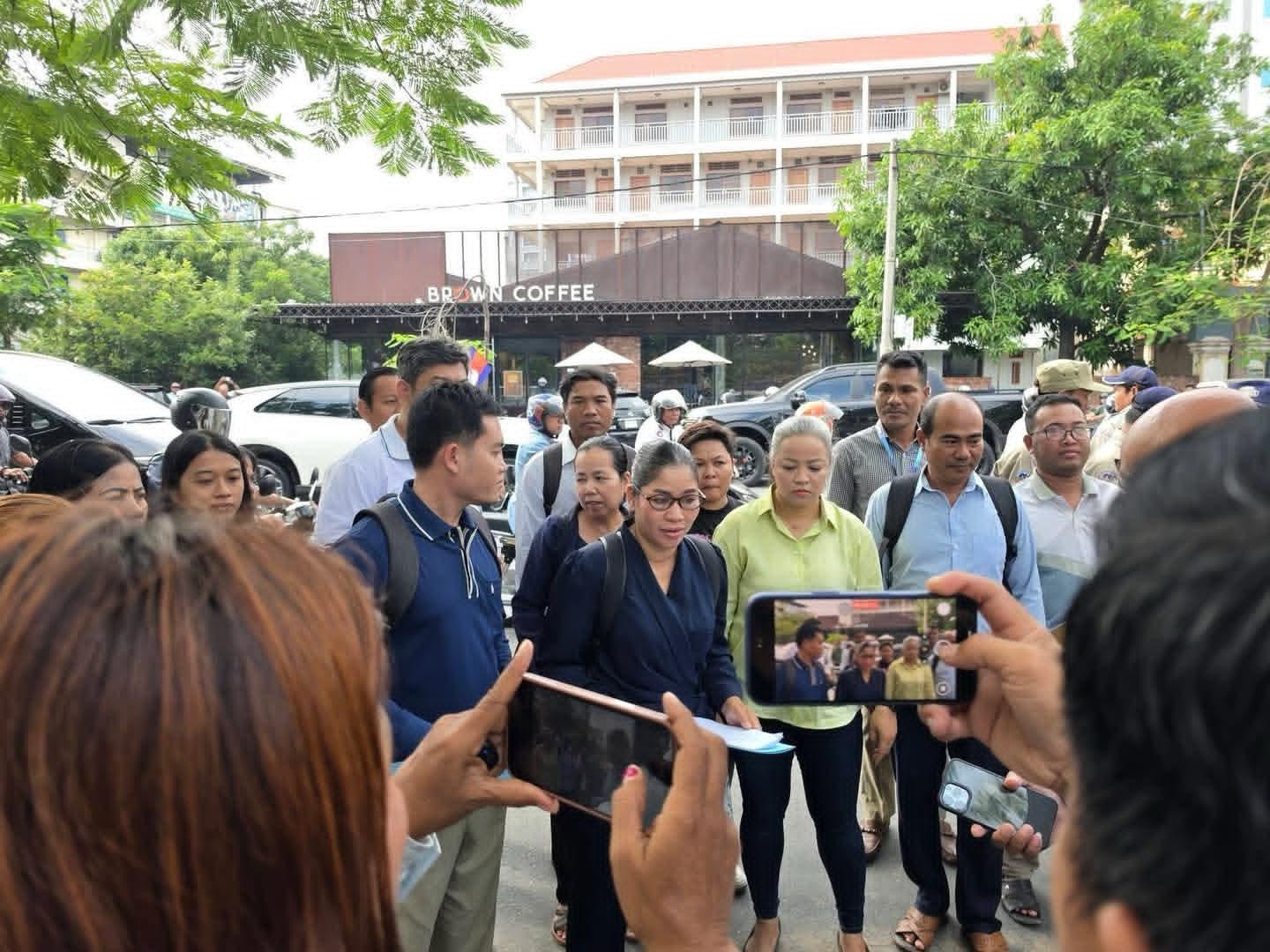
Cambodian trade union federations submit their proposal to the Ministry of Labour and Vocational Training on 12 September 2026. Photograph by FTUWKC.
As minimum wage negotiations in Cambodia for the garment, textile and travel goods sector are happening, Cambodian trade union federations voiced their clear demand for US$250.66 with labour minister Heng Sour. According to the federations, the current minimum wage of US$210 is far from sufficient to cover basic needs. Although the Cambodian minimum wage for garment workers is reviewed annually, the past few years only saw minimal increases of US$2, which was not enough to keep up with inflation and rising costs of basic needs due to the wars in Ukraine and Iran. A bigger hike is needed, according to the federations, to ensure the approximately 800,000 Cambodian garment workers do not sink deeper in indebtedness and poverty.
The proposal clearly details how worker surveys indicate that the gap between household income and household expenses is widening. An early 2026 estimate, based on a survey[1] among 422 workers, shows that the gap between income and expenditures has grown from US$174 to US$204 in the past 2 years. Cambodian garment workers were already among the most heavily indebted, and recent worker surveys show a steady decrease in calorie intake per person, at a level below the national food-poverty line. Although an increase of the minimum wage to US$250.66 would not close the gap completely, it would mark an important first step.
The trade union federations underscore the need for the government, employers and international brands to finally step up and take responsibility. Their letter to the minister states that workers can no longer be expected to eat less, borrow more or work longer in order to barely make ends meet. Over the past decade, workers and their families have had to absorb several severe economic shocks caused by the Covid pandemic, the US tariffs and international conflicts. During each of these crises, brands swiftly pushed the burden down their supply chains by asking suppliers for discounts, delaying payments or canceling orders. As a result, workers ate less, borrowed more and worked longer.
Clean Clothes Campaign stands in solidarity with Cambodian workers and trade unions demanding a minimum wage of US$250.66 and calls on all brands sourcing from Cambodia to commit to paying prices that support a wage increase to at least this amount.
[1] AFWA with partner unions, Cambodia Living Wage Union Briefing, preliminary findings from the June–August 2026 survey of 422 workers